
19 Aug 2026
Viral Hepatitis
Read more
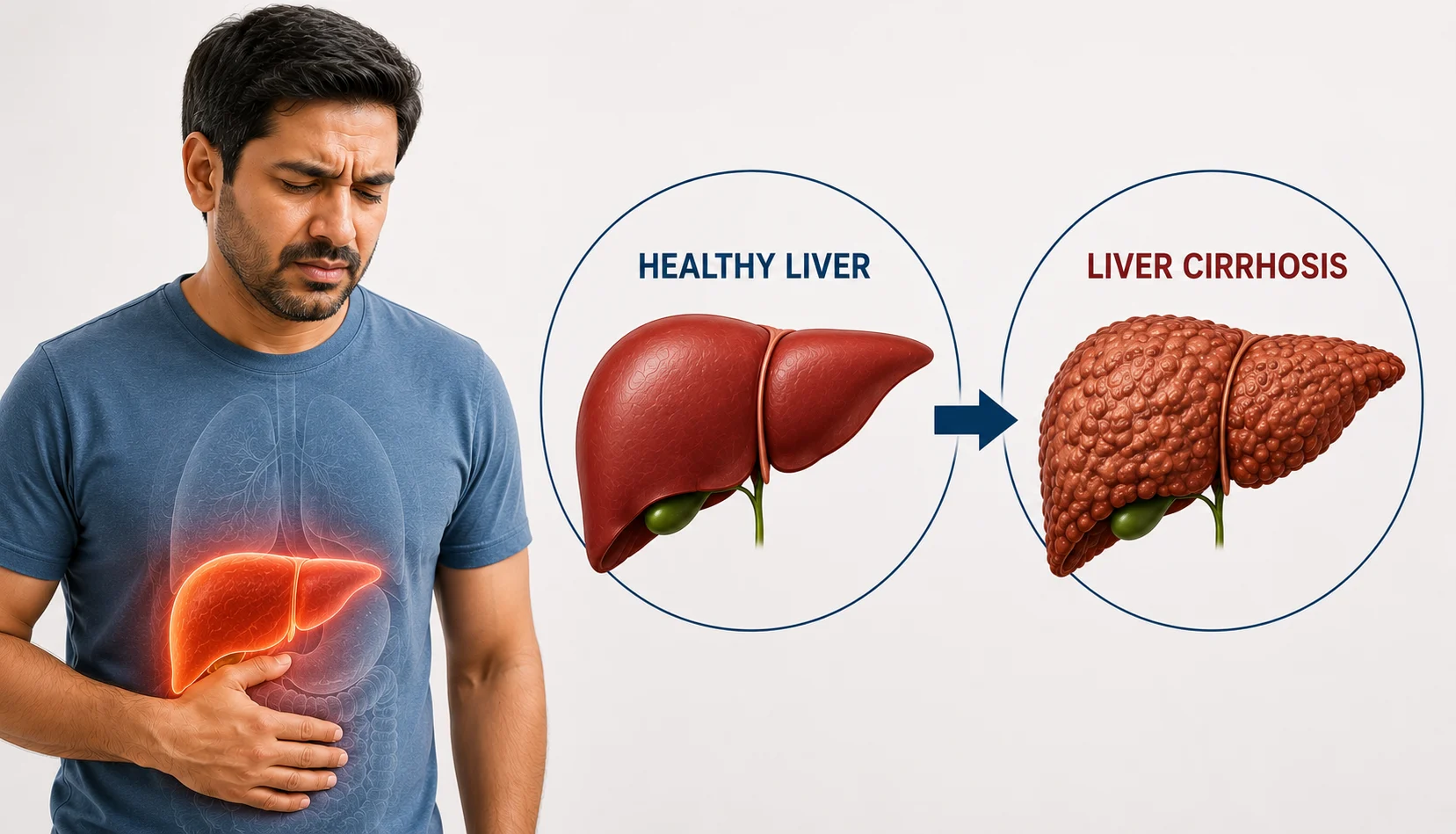
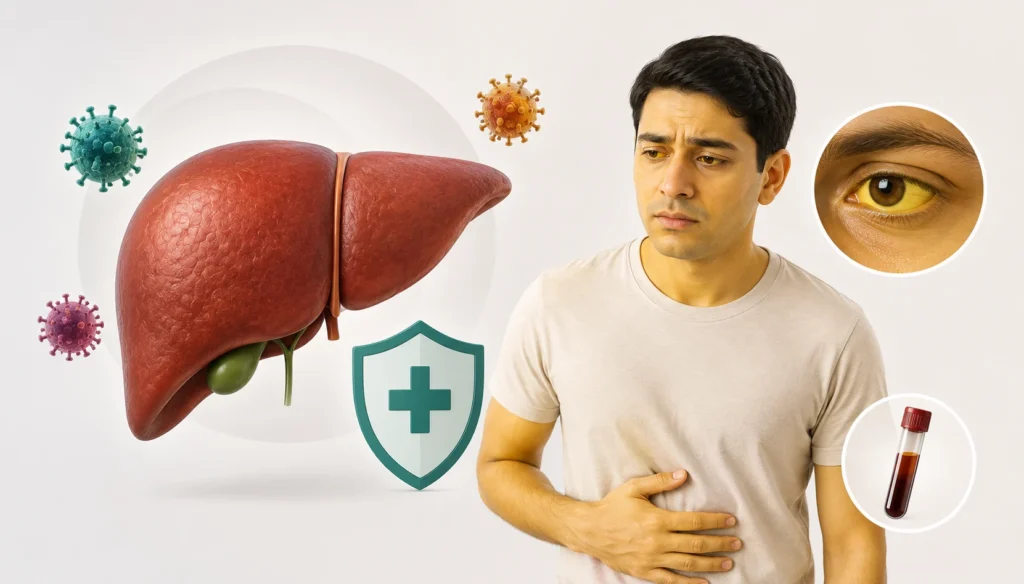
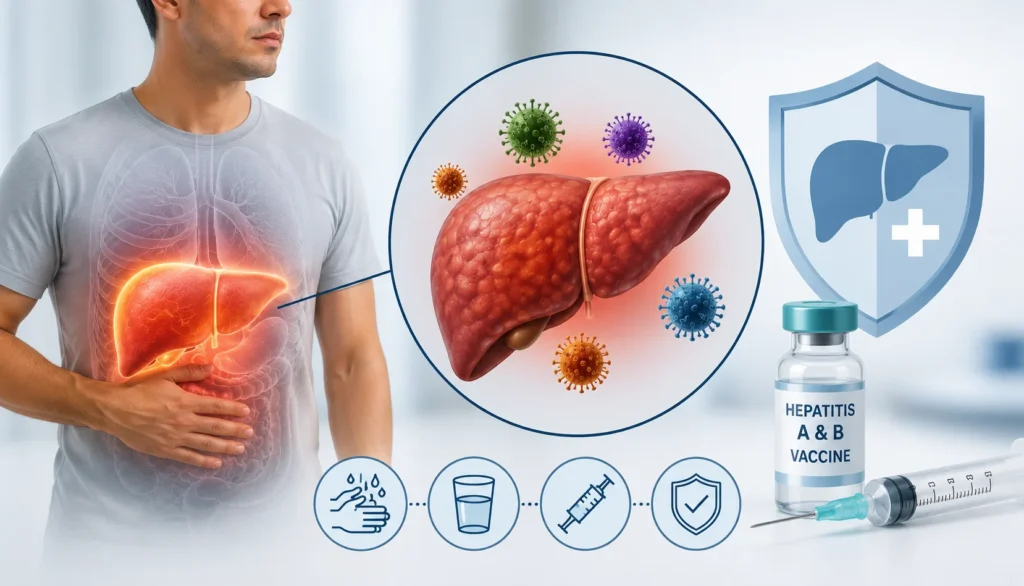
Liver Cirrhosis is a condition in which healthy liver tissue is gradually replaced by scar tissue, reducing the liver’s ability to function properly. It usually develops over many years due to chronic liver diseases such as viral hepatitis, excessive alcohol consumption, or untreated fatty liver disease. In the early stages, cirrhosis may not cause noticeable symptoms. As the disease progresses, people may develop weakness, loss of appetite, swelling of the abdomen or legs, jaundice, easy bruising, or confusion.
Although the scarring cannot usually be reversed, early diagnosis and treatment can slow disease progression and reduce the risk of serious complications. Managing the underlying cause, avoiding alcohol, following a healthy lifestyle, and attending regular medical follow-ups play an important role in maintaining liver health. Prompt medical attention can significantly improve long-term outcomes.
First NABH-accredited hospital in the region
First & only hospital with NABH emergency dept. in the region

First hospital with NABH nursing dept. in the region

NABL-accredited pathology dept.

NBEMS-accredited for postgraduate training
Take a proactive step toward early detection and better health. Fill in your details and our team will guide you through the right
Reach out to us for any inquiries or assistance—we're just a message or call away!
Fill out the form and our care team will assist you with scheduling your scan.