

21 Aug 2026
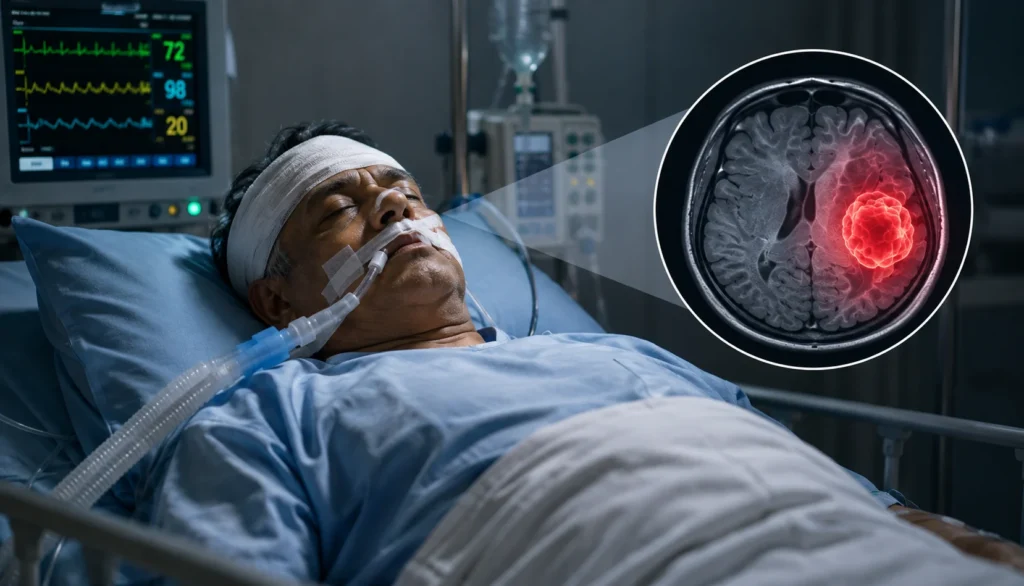
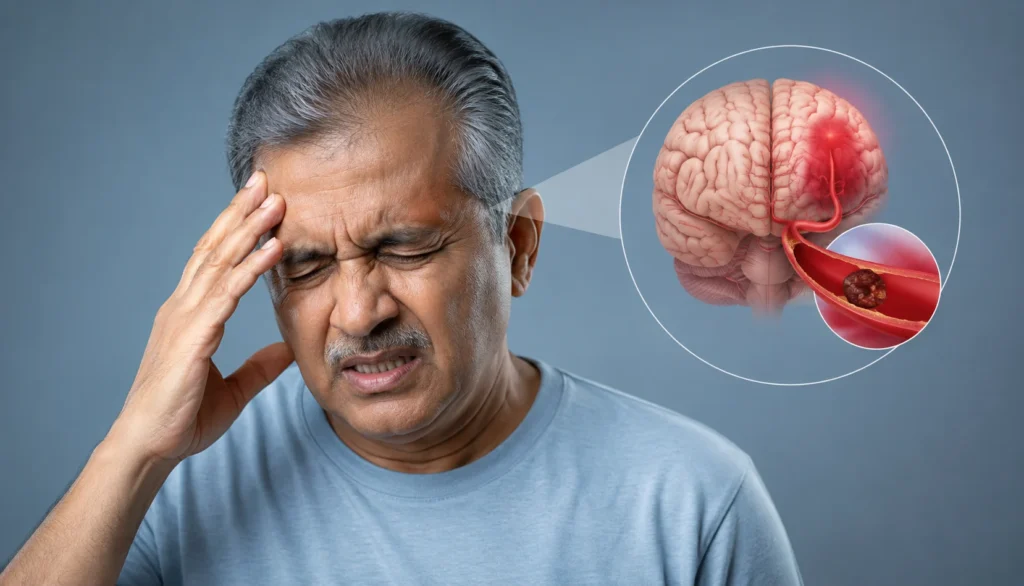
Epilepsy
Read more

Parkinson’s disease is a progressive neurological condition that mainly affects movement. It commonly develops in older adults and is caused by the gradual loss of brain cells that produce dopamine, a chemical responsible for smooth muscle movement. Early symptoms may include tremors of the hands, stiffness, slow movements, reduced facial expression, changes in handwriting, or difficulty maintaining balance.
Although Parkinson’s disease cannot be cured, modern medications, physiotherapy, speech therapy, and regular exercise can effectively control symptoms and help people remain independent for many years. Early diagnosis allows treatment to begin before symptoms significantly interfere with daily life. Ongoing medical care and rehabilitation play an important role in maintaining mobility, confidence, and overall quality of life.
First NABH-accredited hospital in the region
First & only hospital with NABH emergency dept. in the region

First hospital with NABH nursing dept. in the region

NABL-accredited pathology dept.
NBEMS-accredited for postgraduate training
Take a proactive step toward early detection and better health. Fill in your details and our team will guide you through the right
Reach out to us for any inquiries or assistance—we're just a message or call away!
Fill out the form and our care team will assist you with scheduling your scan.