

21 Aug 2026
Parkinson’s Disease
Read more
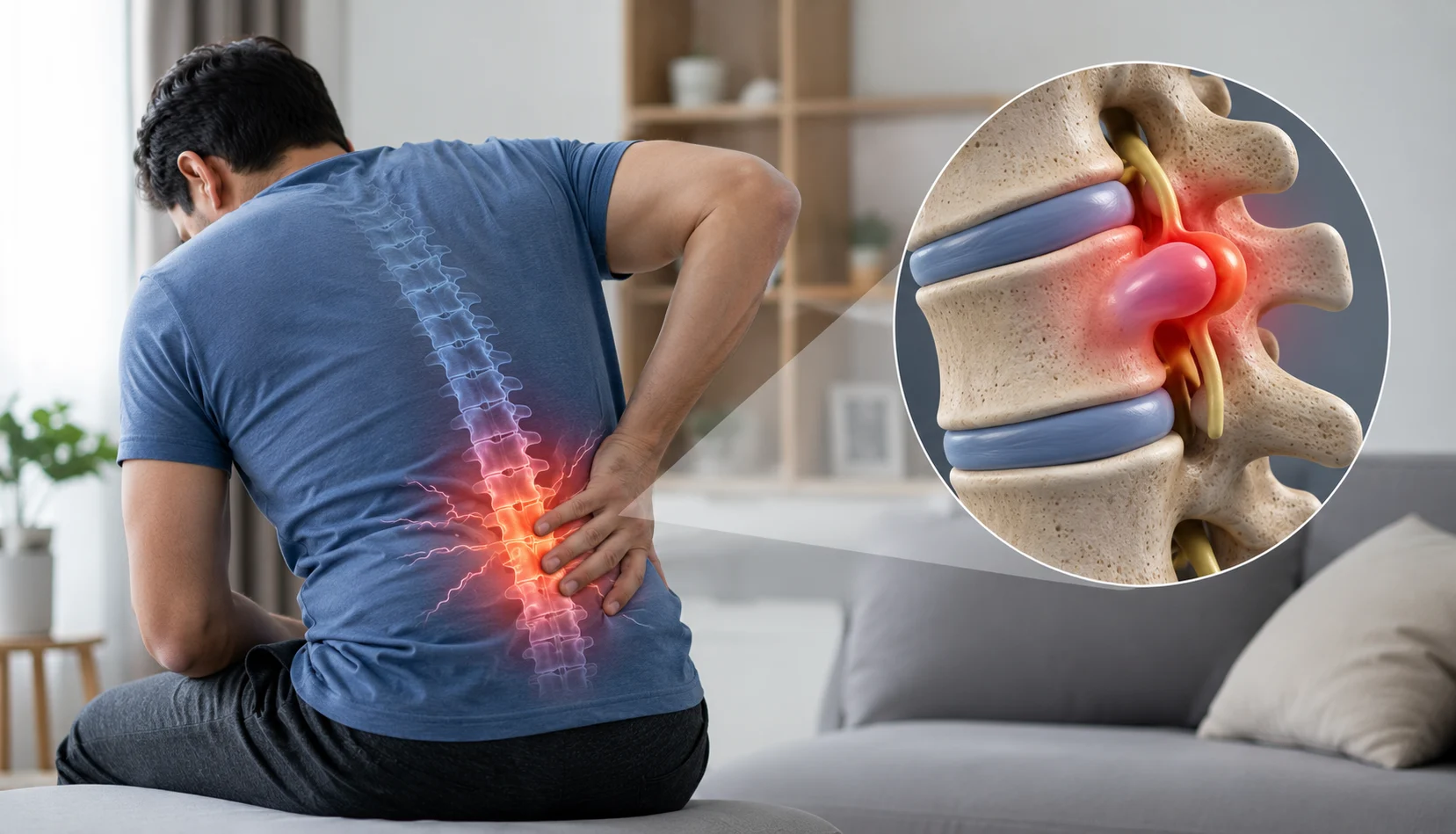
A slip disc, also known as a disc prolapse or herniated disc, occurs when the soft cushioning disc between the bones of the spine bulges or ruptures, putting pressure on nearby nerves. This commonly causes neck or back pain that may spread to the arms or legs, along with tingling, numbness, or weakness. Heavy lifting, poor posture, ageing, obesity, or sudden injuries can increase the risk of developing a slip disc. Most patients improve with rest, medications, physiotherapy, and guided exercises without requiring surgery.
However, severe pain, progressive weakness, or loss of bladder or bowel control requires immediate medical attention. Maintaining good posture, exercising regularly, and using proper lifting techniques can help protect the spine and reduce the risk of future disc problems.
First NABH-accredited hospital in the region
First & only hospital with NABH emergency dept. in the region
First hospital with NABH nursing dept. in the region

NABL-accredited pathology dept.

NBEMS-accredited for postgraduate training
Take a proactive step toward early detection and better health. Fill in your details and our team will guide you through the right
Reach out to us for any inquiries or assistance—we're just a message or call away!
Fill out the form and our care team will assist you with scheduling your scan.