
21 Aug 2026
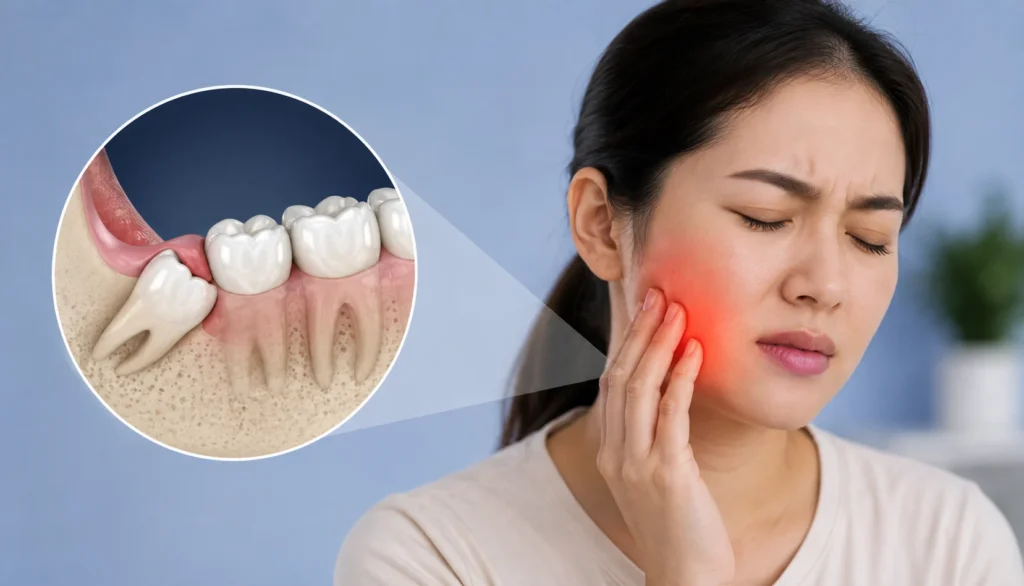
Impacted Wisdom Teeth
Read more
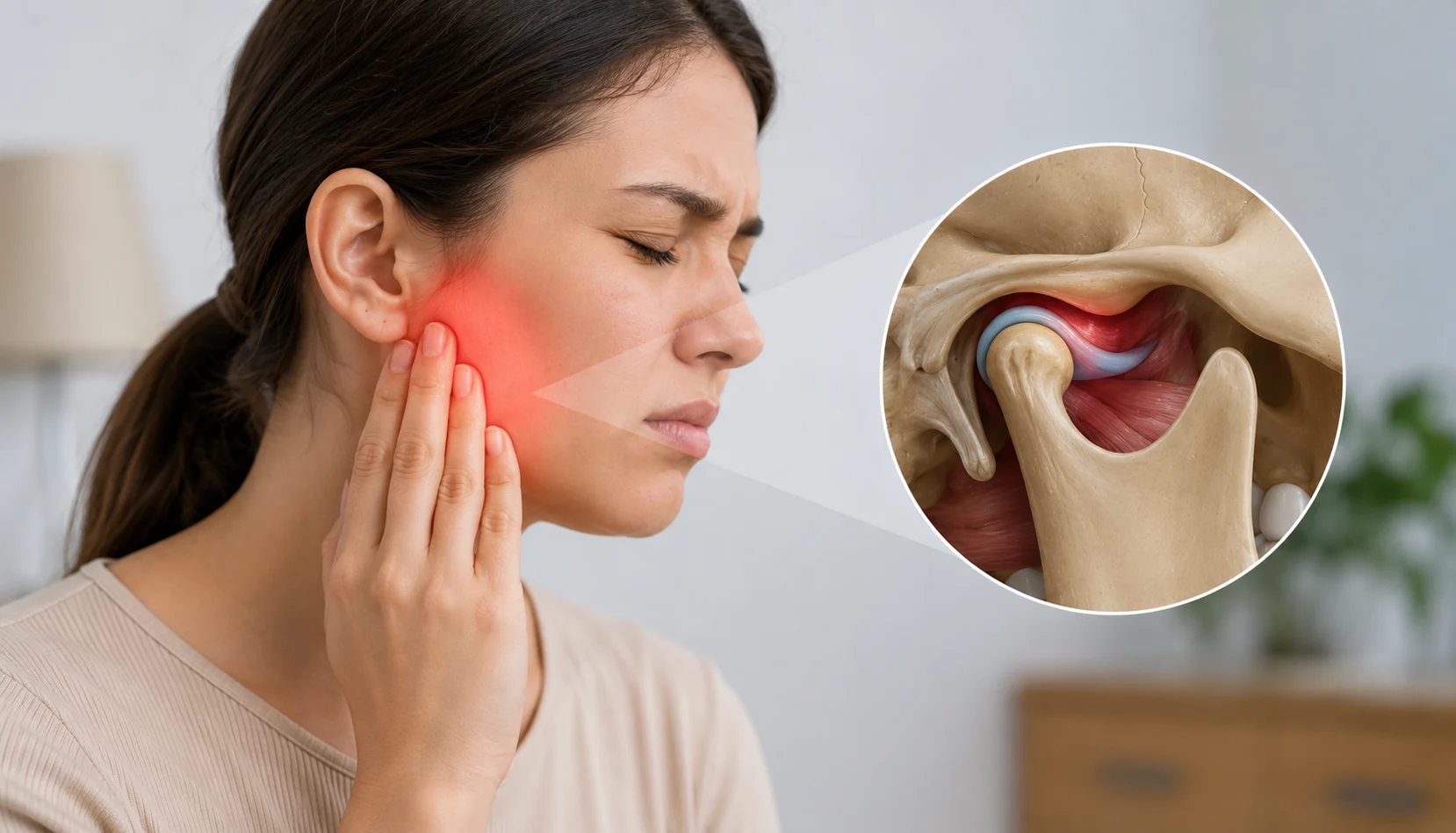
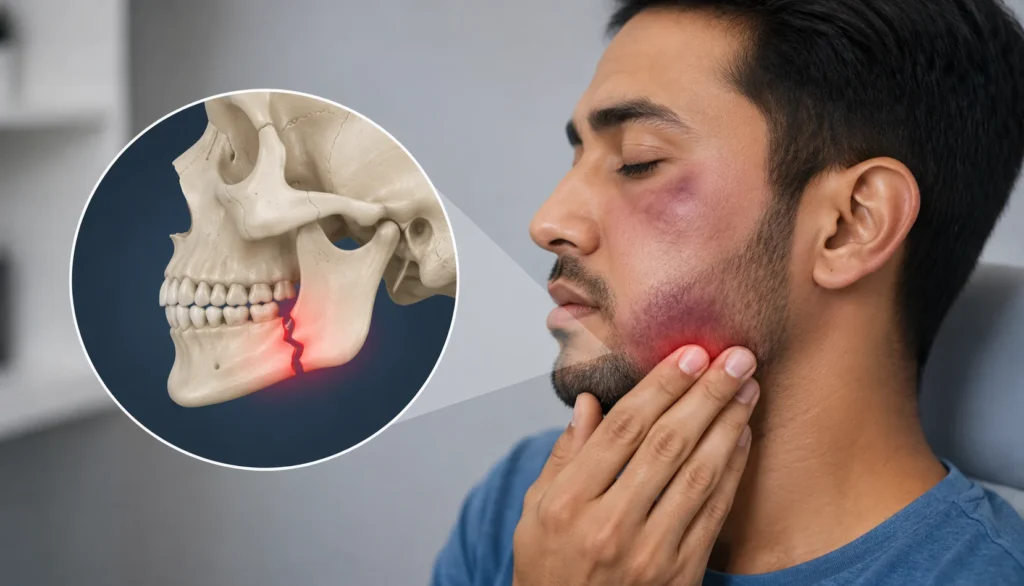
The temporomandibular joint (TMJ) connects the lower jaw to the skull and allows you to speak, chew, and yawn. TMJ disorders occur when this joint or the surrounding muscles do not function properly. Common symptoms include pain around the jaw or ears, clicking or popping sounds while opening the mouth, difficulty chewing, headaches, or limited jaw movement. These problems may result from teeth grinding, jaw injuries, arthritis, stress, or excessive strain on the joint.
Many people improve with simple measures such as avoiding hard foods, applying warm compresses, jaw exercises, stress management, and medications. In selected cases, specialised dental appliances or surgery may be required. Early assessment helps identify the cause and prevent long-term discomfort or restricted jaw movement.

First NABH-accredited hospital in the region

First & only hospital with NABH emergency dept. in the region

First hospital with NABH nursing dept. in the region

NABL-accredited pathology dept.

NBEMS-accredited for postgraduate training
Take a proactive step toward early detection and better health. Fill in your details and our team will guide you through the right
Reach out to us for any inquiries or assistance—we're just a message or call away!
Fill out the form and our care team will assist you with scheduling your scan.