
24 Aug 2026
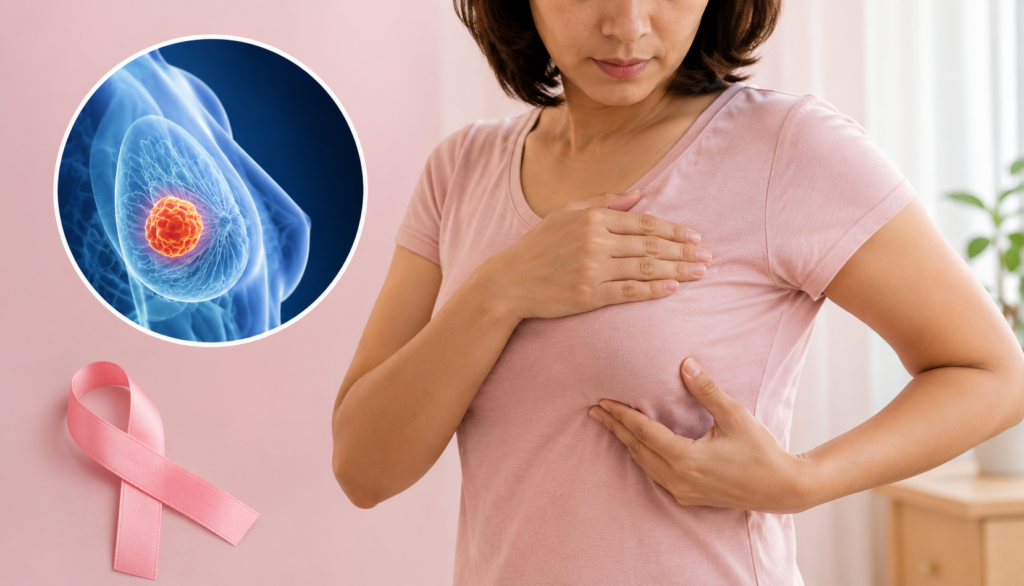
Breast Cancer
Read more
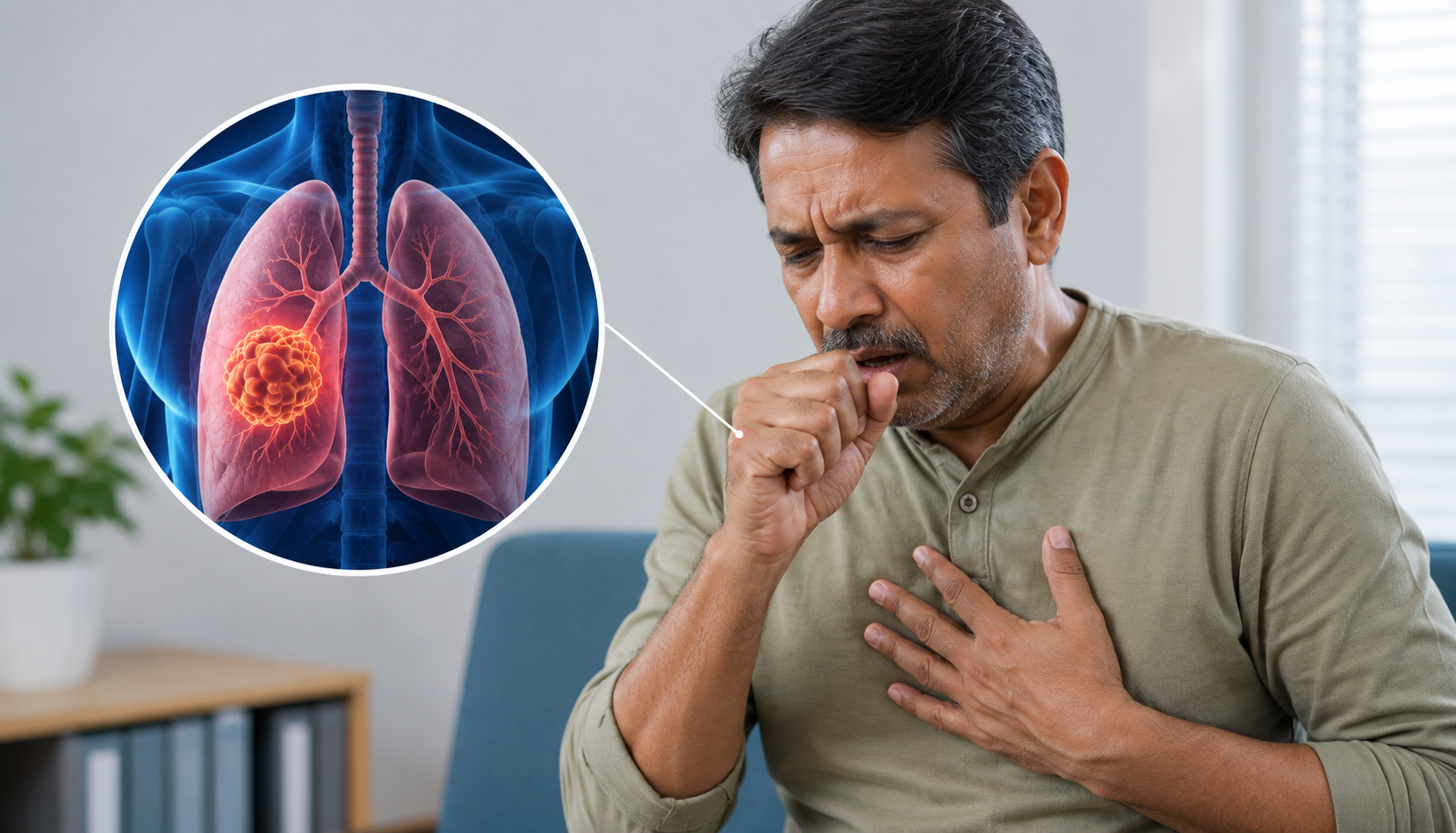
Lung cancer is one of the leading causes of cancer-related deaths worldwide. Smoking remains the most important risk factor, although non-smokers can also develop lung cancer due to passive smoking, air pollution, occupational exposures, or genetic factors. Early symptoms may include a persistent cough, coughing up blood, chest pain, breathlessness, unexplained weight loss, or repeated chest infections. Unfortunately, lung cancer often causes few symptoms in its early stages, making timely evaluation especially important.
Diagnosis usually involves imaging tests and specialised procedures to confirm the type of cancer. Treatment may include surgery, chemotherapy, radiation therapy, targeted therapy, immunotherapy, or a combination of these approaches. Quitting smoking, avoiding tobacco exposure, and seeking medical advice for persistent respiratory symptoms can significantly improve the chances of early diagnosis and successful treatment.
First NABH-accredited hospital in the region
First & only hospital with NABH emergency dept. in the region
First hospital with NABH nursing dept. in the region

NABL-accredited pathology dept.
NBEMS-accredited for postgraduate training
Take a proactive step toward early detection and better health. Fill in your details and our team will guide you through the right
Reach out to us for any inquiries or assistance—we're just a message or call away!
Fill out the form and our care team will assist you with scheduling your scan.